The toilet within your household holds significant importance as it's a fixture we interact with daily. Its functionality is crucial, and any decline in quality over time can lead to various issues. One common problem is a slow-flushing toilet, which can be both frustrating and inconvenient. Ignoring this issue can exacerbate plumbing problems, making it imperative to address promptly with the assistance of a skilled plumber.
 |
| Image Credit : Goldbathroom.co.uk |
To tackle the issue effectively, it's essential to conduct a thorough inspection of the toilet. Slow flushing may stem from various factors, including low water levels, deterioration of toilet components, or blockages within the drain. Identifying the root cause is key to implementing the appropriate solution.
Fortunately, there are several remedies available to rectify slow-flushing toilets. From addressing water level issues to resolving blockages or drain accumulations, there are diverse options to explore for restoring optimal toilet functionality.
Fill Tube Fix
The fill tube, though small in size, plays a pivotal role in the functionality of any toilet. Typically made of rubber and commonly black in color, this tube connects to the larger overflow tube, forming a crucial component of the toilet's flushing mechanism. Together with other parts, such as the overflow tube, the fill tube ensures proper flushing, making it an indispensable element of the toilet system.
However, due to its constant exposure to water and usage, the fill tube is prone to wear and tear over time. A worn-out fill tube can lead to various issues, such as improper filling of the toilet tank. In such cases, when the tank fills with water, the valve may fail to shut off properly, resulting in potential water wastage and other complications.
To address this problem, it's essential to replace the worn fill tube promptly. By replacing the fill tube, you can restore the proper functioning of the toilet's flushing mechanism, ensuring efficient water usage and preventing further issues.

Image Credit : Goldbathroom.co.uk
Additionally, if you're considering upgrading your toilet, you might want to explore wall-hung toilets. These innovative fixtures can help maximize space in smaller bathrooms. If you're curious about how wall-hung toilets work and whether they could be the right choice for your bathroom, check out this insightful guide on https://tapron.co.uk/blogs/news/how-wall-hung-toilets-work
Unclogged Toilet
Clogged toilets are among the most frequent issues encountered in bathrooms. When there's a blockage in the toilet's tube or bowl, it can result in slow or incomplete flushes, disrupting the normal functioning of the toilet. These clogs often occur when non-flushable items are inadvertently flushed down the toilet, causing obstructions in the plumbing system.

Image Credit : Tapron.co.uk
One effective remedy for resolving toilet clogs is using a plunger, which is a simple and convenient tool for clearing blockages. Before using the plunger, it's advisable to wear protective gloves to maintain hygiene and prevent any contact with wastewater. Care should be taken to use the plunger with the appropriate speed and force to avoid creating a mess.
To use the plunger effectively, place it over the toilet bowl's drain opening and apply downward pressure with a firm but controlled motion. The goal is to create a strong seal between the plunger and the drain opening to generate enough suction to dislodge the clog. Continue plunging until the obstruction is cleared, allowing the toilet to flush normally again.
Fill Valve Damage
The fill valve plays a crucial role in the functioning of a toilet, and if it malfunctions, it can lead to slow drainage or even complete failure of the flushing mechanism. If you notice your toilet draining slowly, it's imperative to address the issue promptly to prevent further complications. Failure to do so may result in water overflow, potentially causing damage to your bathroom and surroundings.
To rectify a problem with the fill valve, it's essential to take immediate action. Begin by shutting off the water supply to the toilet to prevent any further water overflow. Next, carefully remove the tank lid to access the internal components of the toilet.
Once the tank lid is removed, locate the fill valve, which is typically situated near the center of the tank. Use a wrench to loosen the bolt connecting the water supply pipe to the base of the fill valve. With the bolt removed, you can detach the old fill valve from its base and replace it with a new one.
Securely fasten the new fill valve in place by tightening the bolt with your wrench, ensuring a snug fit to prevent any leaks. Once the new fill valve is installed, reconnect the water supply hose to the base of the valve.
With the installation complete, carefully turn on the water supply to the toilet and allow the tank to fill. Test the flush function to ensure that the toilet is now operating correctly and that the drainage issue has been resolved.
Toilet bowl cracked
Slow flushing can lead to more serious issues, such as a cracked toilet bowl, which can be both frustrating and problematic. A cracked bowl not only compromises the functionality of the toilet but can also result in leakages, causing water damage to the surrounding area. When faced with a cracked toilet bowl, it's essential to address the issue promptly to prevent further damage and inconvenience.
In some cases, a cracked toilet bowl may be repairable using a sealant. However, if the crack is extensive or located in a critical area, a more comprehensive solution may be necessary. In such instances, it's advisable to seek professional assistance from experienced plumbers or technicians who can assess the damage and provide the appropriate repairs.
Attempting to repair a severely cracked toilet bowl without the necessary expertise or equipment may result in ineffective repairs or further damage. By enlisting the help of professionals, you can ensure that the issue is resolved effectively, restoring the functionality and integrity of your toilet bowl.
Blockages from the outside
A sewer line vent serves a crucial function in your plumbing system by connecting your bathroom fixtures to the outside environment. It ensures proper ventilation and allows wastewater to flow smoothly through the drainage system. However, external factors or obstructions can occasionally impede the sewer line vent's effectiveness, leading to issues with your toilet and other plumbing fixtures.
When a sewer line vent becomes blocked or obstructed, it can result in various problems, including slow drainage, gurgling sounds from drains, foul odors emanating from plumbing fixtures, and even backups or overflows in toilets and sinks. These issues can disrupt the functioning of your plumbing system and cause inconvenience and potential damage to your property.
To address issues related to a blocked sewer line vent, it's essential to enlist the expertise of a qualified plumber. Plumbers have the knowledge, experience, and specialized equipment to diagnose and resolve sewer line vent issues effectively. They can identify the location and cause of the obstruction, whether it's due to debris, animal nests, or other factors, and implement the necessary solutions to restore proper ventilation and drainage.
By relying on a professional plumber for a holistic solution to sewer line vent problems, you can ensure that your plumbing system operates efficiently and effectively, minimizing the risk of disruptions and maintaining the comfort and functionality of your home.
Jet Hole Fix
Mineral buildup in your toilet is a common issue that can occur over time, especially with frequent use of cleaning products. These deposits can accumulate and eventually affect the toilet's functionality if left unchecked. Fortunately, addressing mineral buildup is relatively straightforward and can help restore your toilet's performance.
After cleaning your toilet, you may notice visible mineral deposits, which can hinder flushing and other functions. These deposits often appear as stubborn, hard-to-remove residue on the surfaces of the toilet bowl and components. To address this buildup, a thorough scraping or scrubbing using a toilet brush or scraper can effectively remove the deposits and restore the toilet's functionality.
When scraping away mineral buildup, it's essential to use caution and avoid damaging the toilet's surfaces. Opt for gentle but firm pressure to dislodge the deposits without causing harm. Additionally, consider using a non-abrasive cleaning agent or vinegar solution to help dissolve and loosen stubborn mineral deposits for easier removal.
Once you've successfully scraped away the visible mineral buildup, flush the toilet to ensure that water flows freely and that the issue has been resolved. Regular maintenance and cleaning can help prevent mineral buildup from recurring in the future, ensuring that your toilet remains in optimal condition and functions smoothly for years to come.
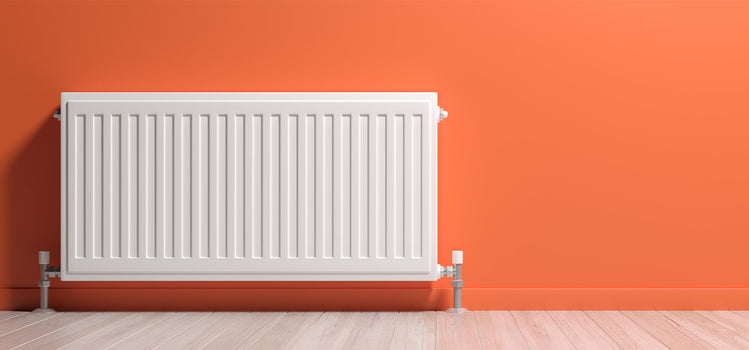
Image Credit : Goldbathroom.co.uk
Additionally, if you're looking to elevate the comfort and luxury of your bathroom, you might want to consider adding gold towel radiators. These elegant fixtures not only provide warmth but also add a touch of sophistication to your bathroom decor. If you're interested in exploring the luxury of gold towel radiators further, you can check out this informative guide on https://goldbathroom.uk/blogs/news/gold-towel-radiators-luxury .


No comments:
Post a Comment
Note: only a member of this blog may post a comment.